
GST Full Form – Goods and Services Tax Complete Guide 2025
Discover GST full form, meaning, types (CGST, SGST, IGST), current rates, registration process, and benefits. Complete guide to Goods and Services Tax in India with practical examples and expert insights.
GST
Goods and Services Tax
What is GST?
GST full form is Goods and Services Tax – a comprehensive indirect tax system that replaced multiple taxes in India. Implemented on July 1, 2017, GST is a single tax levied on the supply of goods and services from manufacturer to consumer, creating “One Nation, One Tax” system.
Types of GST – CGST, SGST, IGST Full Forms
CGST
CGST is collected by the Central Government on intra-state transactions. When goods or services are sold within the same state, both CGST and SGST are applicable. CGST rates range from 0% to 14% depending on the product category.
SGST
SGST is collected by the State Government on transactions within the state. It always accompanies CGST for intra-state sales. SGST rates are identical to CGST rates, ensuring revenue sharing between central and state governments.
IGST
IGST applies to inter-state transactions, imports, and exports. When goods cross state boundaries, IGST is levied instead of CGST+SGST. IGST rates equal the combined CGST and SGST rates for equivalent intra-state transactions.
UTGST
UTGST applies to transactions within Union Territories without legislature (like Chandigarh, Andaman & Nicobar Islands). It functions similarly to SGST but is administered by the Central Government for these specific territories.
Current GST Rates in India 2025
| GST Rate | Category | Common Items | CGST + SGST Split |
|---|---|---|---|
| 0% | Essential Items | Fresh fruits, vegetables, milk, eggs, bread, salt, jaggery | 0% + 0% |
| 5% | Daily Necessities | Packaged food, sugar, tea, coffee, medicines, coal, LPG | 2.5% + 2.5% |
| 12% | Standard Items | Computers, mobile phones, frozen vegetables, butter | 6% + 6% |
| 18% | Most Goods & Services | Electronics, IT services, restaurants, soaps, capital goods | 9% + 9% |
| 28% | Luxury Items | Cars, motorcycles, AC, refrigerator, tobacco, luxury goods | 14% + 14% |
*Rates are subject to change as per government notifications. Check the latest GST rates before transactions.
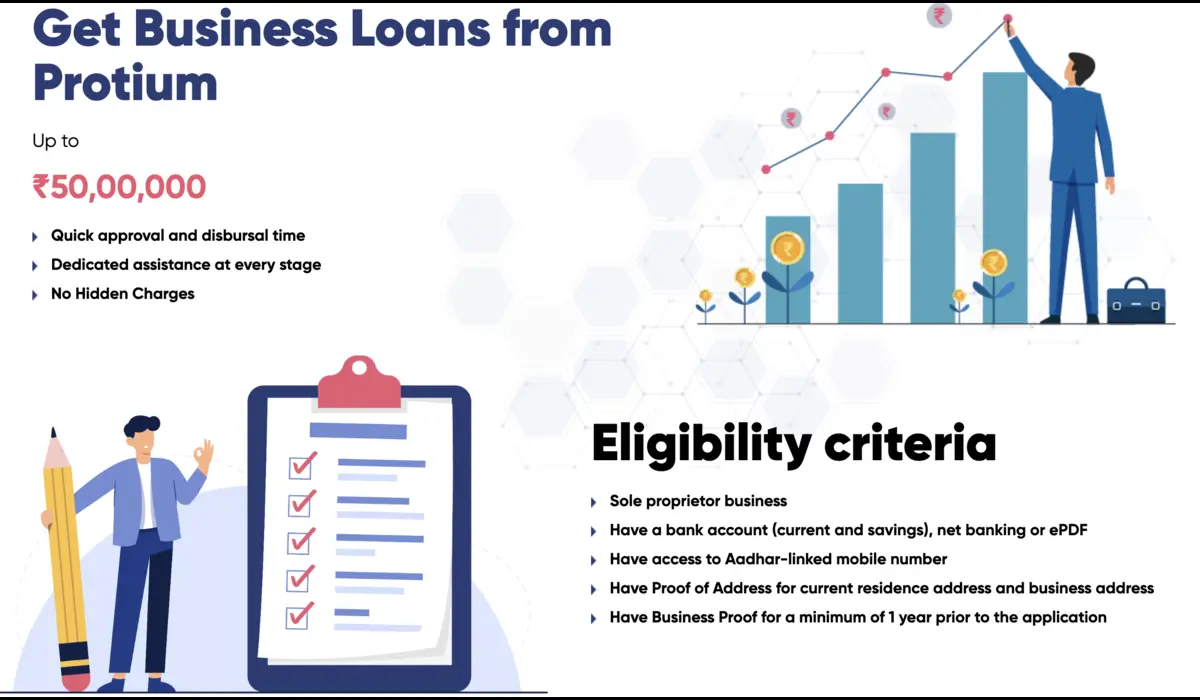
Need Business Funding or Property-Backed Loans?
Get instant business loans or leverage your property for financial growth with competitive rates and expert guidance
GST Full Form – Comprehensive guide to Goods and Services Tax in India
Benefits and Features of GST System
Understanding GST full form and benefits helps businesses and consumers appreciate this revolutionary tax system. Goods and Services Tax has simplified India’s taxation structure while promoting transparency and economic growth.
📋 Simplified Tax Structure
GST replaced multiple indirect taxes like VAT, excise duty, service tax, and octroi with a single comprehensive tax system, reducing compliance burden and simplifying business operations across India.
🔄 Input Tax Credit
Businesses can claim input tax credit for taxes paid on purchases, eliminating the cascading effect of taxes. This reduces the overall tax burden and makes Indian goods more competitive in global markets.
💻 Digital Platform
GST operates on a robust digital platform enabling online registration, return filing, and tax payment. The GSTN portal ensures transparency and reduces paperwork for businesses.
🌍 Common Market
GST creates a unified national market by removing interstate barriers and checkpoints. This facilitates free movement of goods and services, boosting trade and economic efficiency across states.
📈 Increased Tax Base
GST has significantly expanded the tax base by bringing more businesses under the formal economy. The system encourages voluntary compliance and reduces tax evasion through better monitoring.
✅ Transparency & Compliance
GST ensures complete transparency in tax administration with clear documentation requirements, standardized processes, and regular audit mechanisms for better compliance.
GST Registration & Compliance Requirements
GST Registration Threshold
Normal States: Annual turnover ₹40 lakhs
Special Category States: Annual turnover ₹20 lakhs
Service Providers: Annual turnover ₹20 lakhs (all states)
E-commerce: Mandatory registration regardless of turnover
Businesses exceeding these thresholds must obtain GST registration within 30 days.
GST Return Filing
GSTR-1: Monthly/Quarterly outward supplies
GSTR-3B: Monthly summary return
GSTR-9: Annual return
GSTR-4: Quarterly for composition scheme
Timely return filing is crucial to avoid penalties and maintain GST compliance status.
Required Documents
PAN Card: Primary identifier for GST registration
Aadhaar Card: For proprietorship businesses
Business Address Proof: Utility bills, rent agreement
Bank Account Details: Business bank statements
Ensure all documents are valid and updated before GST registration application.
Business Financial Services & Tools
GST Calculator
Calculate CGST, SGST, and IGST amounts instantly with our professional GST calculator
Calculate GST →Business Loans
Get business funding up to ₹50 lakhs for GST compliance and business expansion
Apply Now →Loan Against Property
Leverage your property for business expansion and GST-related financial needs
Explore Options →Frequently Asked Questions – GST Full Form
GST full form is “Goods and Services Tax.” It was implemented in India on July 1, 2017, replacing multiple indirect taxes like VAT, excise duty, service tax, and others. GST created a unified tax system across the country, establishing “One Nation, One Tax” policy for goods and services.
CGST full form is Central Goods and Services Tax (collected by central government), SGST is State Goods and Services Tax (collected by state government), and IGST is Integrated Goods and Services Tax (for inter-state transactions). CGST+SGST applies to intra-state sales, while IGST applies to inter-state sales and imports.
Current GST rates in India are: 0% for essential items (milk, fruits, vegetables), 5% for daily necessities (packaged foods, medicines), 12% for standard items (computers, mobiles), 18% for most goods and services (electronics, IT services), and 28% for luxury items (cars, ACs, tobacco). These rates are subject to government revisions.
GST registration is mandatory for businesses with annual turnover exceeding ₹40 lakhs in normal states and ₹20 lakhs in special category states (northeast states). For service providers, the threshold is ₹20 lakhs across all states. E-commerce operators must register regardless of turnover.
Input tax credit (ITC) allows businesses to reduce their GST liability by claiming credit for taxes paid on business purchases. This eliminates the cascading effect of taxes, where tax was levied on tax. ITC can be claimed only if the supplier has filed their returns and the goods/services are used for business purposes.
Key GST benefits include: simplified tax structure replacing multiple taxes, elimination of cascading tax effect through input tax credit, creation of unified national market, digital platform for easy compliance, transparent tax administration, reduced logistics costs, and competitive pricing for consumers due to lower tax burden on businesses.
Disclaimer:
This GST information is for educational purposes only and based on current regulations as of 2025. GST rates and rules are subject to change as per government notifications. For official GST information, consult the GST Portal or qualified tax professionals.
*Terms and conditions apply for all financial products and services offered by Protium Finance Ltd.