
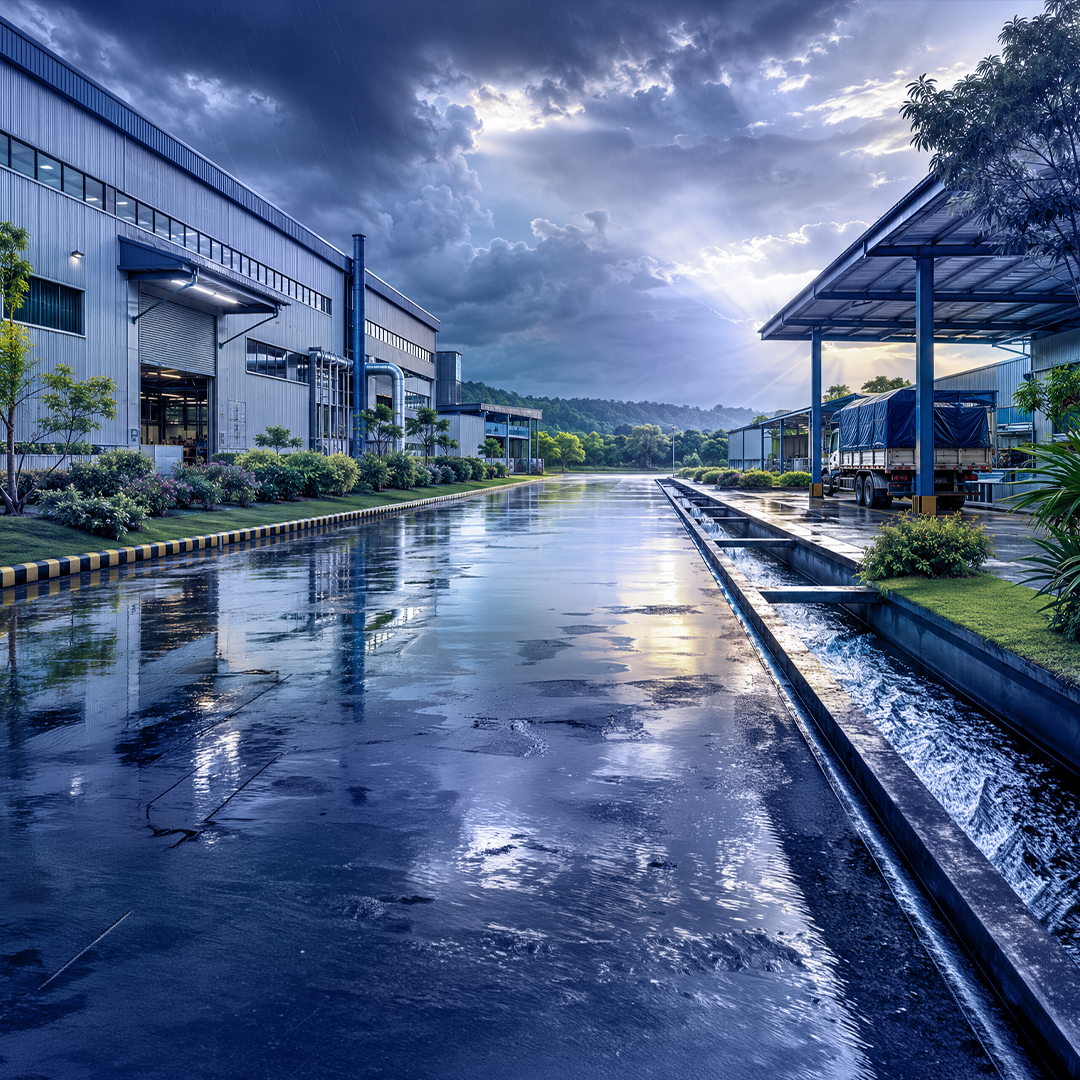
Practical Pre-Monsoon Prep Checklist for MSMEs in 2026
How industrial facilities, logistics & transport, agri, textiles, food processing and food industires can prepare themselves this season
As extreme weather events in India, such as floods, cyclones, landslides, heatwaves, droughts, and shifting monsoon patterns, grow more intense, their economic impact is also worsening. This is indicated by the total economic losses from extreme weather events that have exceeded INR 99,000 crore so far, of which more than 90% are uninsured. This shows how exposed small businesses can be when physical damage, downtime, and recovery costs are not planned for. Furthermore, indirect losses, such as income disruption, delayed recovery, supply chain breaks, and business slowdown, were often 1.5 to 2.5 times higher than direct damages1.
The above reality makes monsoon preparedness for MSMEs more crucial than ever. Besides preventing water damage, it is also about protecting cash flow, workers, raw materials, delivery schedules, equipment, and customer commitments.
Monsoon Shocks MSMEs Face
The ultimate impact of monsoon disruption for an MSME is on the revenue. When shops, workshops, factories, warehouses, and transport routes are forced to shut for a few days, it can disturb monthly cash flow, even if the closure is short. Fixed expenses such as rent, wages, EMIs, raw material payments, and electricity bills do not stop when sales slow.
Supply chain delays are another common problem. Waterlogging, road closures, port delays, power cuts, and shortage of transport vehicles can affect both inward and outward movement of goods. A manufacturer may not receive raw material on time. A trader may not be able to dispatch goods. A food business may lose perishable stock.
Inventory damage can also become costly. Raw materials, finished goods, packaging material, chemicals, grains, textiles, cartons, and spare parts are often stored close to the ground. During flooding or seepage, these items can get damaged quickly.
Machinery and equipment are equally exposed. Dampness, seepage, corrosion, short circuits, and poor preventive maintenance can lead to breakdowns. The labour movement can also be affected when workers cannot travel safely. For MSMEs in Tier 4 regions, monsoon timing and rainfall distribution can affect farm income, household spending, and demand for consumer goods.
However, not every MSME faces the same monsoon risk. A food processing unit has different concerns from a transport business. A textile trader has different risks from a dairy unit. But the pressure points often connect back to the same issues: damaged stock, delayed movement, worker safety, cash flow gaps, and business downtime.
This is why monsoon preparedness cannot be a general, one-time activity. It needs to be practical and sector-specific. A small business must look at where it operates, what it stores, how it moves goods, how dependent it is on power or transport, and how quickly it can recover if work is interrupted.
The following checklist breaks this down by business type, so MSMEs can prepare for the risks that are most likely to affect their operations during the monsoon.
Absolutely[1] . The checklist sections should be broken into clear subheaded paragraphs, so each action area has a defined purpose and does not feel like a long list. Here is the revised version of the checklist portion.
1. Checklist for Industrial Facilities and Workshops
Industrial facilities and workshops often carry high physical risk during the monsoon. A small leakage can damage the raw material, a short circuit can stop production, and a flooded loading bay can delay dispatch. These problems may look small at first, but they can lead to several days of downtime. Here’s how industrial facilities can prepare themselves:
Check the building structure
Begin with the physical condition of the facility. Roofs, terraces, exterior walls, window frames, loading bays, and shutters should be checked for cracks, gaps, and leakages. Any repair work should be completed before peak rainfall begins, because emergency repairs during heavy rain are usually slower and more expensive.
Clear drainage points
Blocked drains are one of the most common causes of waterlogging. Stormwater drains, roof drains, gutters, downtake pipes, basement drains, and perimeter gratings should be cleaned before the monsoon. This helps rainwater move out quickly and reduces the risk of water entering production or storage areas.
Protect electrical systems
Electrical safety needs close attention during the rainy season. Main panels, wiring junctions, meters, cables, and distribution boards should be kept above expected waterlogging levels. Exposed wiring, cable joints, earthing points, transformer areas, and outdoor machinery should also be inspected in advance.
Test backup systems
Sump pumps, dewatering pumps, diesel generator sets, UPS systems, and backup power arrangements should be tested before they are actually needed. A backup system that fails during flooding can lead to production loss, equipment damage, and safety risk.
Cover machines and seal entry points
Outdoor equipment, gearboxes, motors, compressors, and stored machinery should be covered with industrial-grade rain protection. Gaps around doors, shutters, windows, and loading areas should also be sealed to reduce water seepage, insects, rodents, and pest-related damage.
Prepare for emergencies
Emergency lighting, first aid kits, sandbags, fire extinguishers, emergency contacts, and evacuation routes should be ready. A short safety briefing can help employees understand electric shock risks, waterlogging risks, machine shutdown steps, and safe exit routes.
2. Checklist for Logistics and Transport MSMEs
Logistics and transport businesses face pressure from both weather and timelines. A delayed vehicle can affect several customers in one day. A damaged consignment can also create disputes, claims, and payment delays. Here’s a preparedness checklist:
Inspect vehicles before the season
Vehicles should be checked before the monsoon begins. Brakes, tyres, wipers, headlights, batteries, tarpaulins, reflectors, and emergency kits should be inspected. A vehicle breakdown during heavy rain can delay deliveries and increase repair costs.
Plan alternate routes
Transport MSMEs should not depend only on regular routes during the monsoon. Alternate routes should be mapped for flood-prone roads, low-lying bridges, and areas with frequent traffic closure. Delivery schedules should also include extra travel time during heavy rainfall periods.
Protect goods in transit
Goods should be protected during loading, transit, and unloading. Waterproof covers, pallets, sealed packaging, and moisture-resistant handling can reduce the risk of damage. This is especially important for cartons, textiles, packaged food, electronics, and other moisture-sensitive goods.
Keep drivers and teams connected
Drivers should receive updates on weather alerts, road closures, safe parking points, and customer delivery windows. Dispatch teams, drivers, customers, and warehouse staff should stay connected so that delays can be managed early.
Store documents digitally
Delivery challans, invoices, permits, insurance papers, and customer contacts should be stored digitally. This helps when physical papers are damaged, misplaced, or not available during an emergency.
Review transport insurance
Vehicle insurance, goods-in-transit cover, theft cover, flood damage, and accident-related delay coverage should be checked clearly. MSMEs should know what is covered before a claim situation arises.
3.Checklist for Agriculture and Allied MSMEs
Agriculture-linked MSMEs depend heavily on rainfall patterns. A late monsoon, weak rainfall, excess rain, or flood-like condition can affect raw material supply and pricing. This can impact businesses dealing in food grains, fruits, vegetables, animal feed, fertilizers, agri-inputs, and allied products.
Track rainfall and market movement
Business owners should track rainfall forecasts, local weather warnings, mandi movement, and raw material availability. Price changes in crops, pulses, vegetables, fruits, grains, and animal feed should be watched closely during the season.
Build supplier backups
Supplier backup plans are important for agriculture-linked MSMEs. Depending on one rainfall-affected area can create sudden shortages. Small businesses can reduce this risk by identifying suppliers across nearby regions.
Improve storage conditions
Seeds, produce, feed, fertilizers, and packaging material should be stored on raised platforms. Tarpaulins, ventilation, and moisture control can reduce spoilage and prevent stock from becoming unusable.
Keep transport flexible
Transport arrangements should remain flexible during heavy rainfall. Rural roads and collection routes can be affected by flooding. Backup transporters and alternate collection points can help keep operations moving.
Maintain purchase and stock records
Purchase bills, stock records, spoilage details, and delayed delivery records should be maintained carefully. These records may be needed for insurance, loan documentation, supplier discussions, or future planning.
4. Checklist for Food Processing and Food MSMEs
Food businesses face a high risk during the monsoon because humidity can affect safety, quality, and shelf life. Dampness can damage raw materials. Power cuts can affect cold storage. Poor drainage can increase hygiene concerns.
Protect raw materials from moisture
Raw materials such as grains, spices, pulses, flour, edible oils, packaging cartons, labels, and finished products should be protected from dampness. Goods should be stored on pallets or racks instead of directly on the floor.
Check cold storage and backup power
Cold storage, chillers, freezers, backup power, temperature logs, and drainage around processing areas should be checked before peak rainfall. Even a short power cut can affect product quality if backup systems are not ready.
Strengthen hygiene checks
Humidity can increase the risk of mold, pests, contamination, and spoilage. Pest control schedules, cleaning routines, and waste disposal processes should be reviewed before rainfall intensifies.
Use sealed storage for sensitive ingredients
Moisture-sensitive ingredients should be kept in sealed containers. This reduces the chance of clumping, contamination, and wastage.
Keep batch and stock records clear
Batch records and stock rotation practices should be maintained properly. Clear records help reduce losses and support quality checks if any issue is reported.
Prepare emergency vendor contacts
Emergency supplier contacts for packaging, fuel, ice, transport, and repair services should be easily available. This can help small food businesses respond faster during a disruption.
5. Checklist for Textile, Apparel, and Leather MSMEs
Textile, apparel, and leather MSMEs are highly exposed to moisture. Fabric rolls, yarn, dyes, chemicals, cartons, finished garments, leather, and accessories can lose value quickly if stored in damp conditions.
Store inventory above ground level
Inventory should be placed on elevated racks with enough airflow between stacks. This helps protect fabric, yarn, leather, cartons, and finished goods from floor-level dampness or flooding.
Improve ventilation
Ventilation is important during the monsoon. Dehumidifiers, exhaust fans, ventilation checks, and moisture absorbers can help in sensitive storage areas. This is especially useful for leather, garments, fabric rolls, and packaging material.
Inspect storage and production areas
Storage rooms, cutting rooms, packing areas, roofs, and walls should be checked for seepage. Even small leaks can damage high-value stock if ignored.
Protect finished goods before dispatch
Finished goods should be packed in sealed or water-resistant packaging before dispatch. This can reduce damage during loading, transport, and customer delivery.
Check machines for dampness and rust
Machines should be checked for rust, dampness, electrical exposure, and belt or motor issues. Preventive checks can reduce sudden breakdowns during busy production periods.
Plan production with buffer time
Production schedules should include some buffer time because fabric arrivals and dispatch timelines can get delayed during heavy rainfall. Photographs and stock records should also be maintained for insurance claims if damage occurs.
6. Checklist for Dairy and Cold Chain MSMEs
Dairy and cold chain businesses work with products that have limited shelf life. A power cut, delayed collection, or vehicle issue can lead to product loss. Monsoon planning should therefore focus on temperature control and movement.
Check cold chain equipment
Cold rooms, milk chillers, freezers, insulated vehicles, backup generators, and power connections should be checked before peak rainfall. Temperature control is critical for product safety and quality.
Maintain temperature logs
Temperature logs should be maintained strictly. Power cuts can quickly affect product quality, and proper records can help identify when and where the issue occurred.
Prepare backup power and repairs
Fuel backup for DG sets should be arranged. Emergency repair contacts for refrigeration systems should also be kept ready so that equipment problems can be handled quickly.
Protect packaging and crates
Packaging material, crates, labels, and cleaning supplies should be protected from water damage. Wet or damaged packaging can delay dispatch and affect product presentation.
Plan alternate collection routes
Collection routes from farms or suppliers should have alternates. Heavy rainfall can affect rural roads and delay milk collection. Backup transport planning can reduce product loss.
Strengthen hygiene and pest control
Hygiene, drainage, and pest control around processing and storage areas should be strengthened. This is important because dairy products are highly sensitive to contamination.
Review spoilage and working capital risks
MSMEs should prepare for delayed collection, route disruption, equipment breakdown, and unsold perishable stock. Insurance and working capital needs should be reviewed before these problems arise.
Even when MSMEs prepare for visible and physical monsoon risks, documentation often gets ignored. This can become a problem when a business needs to file an insurance claim, speak to a lender, settle a supplier issue, or prove the value of damaged goods.
Documentation, Insurance, and Compliance Checklist
Proper records can make recovery faster and reduce confusion after an incident. MSMEs should review property insurance, stock insurance, machinery insurance, vehicle insurance, goods-in-transit cover, and business interruption cover before the monsoon. It is important to check whether flood, storm, waterlogging, electrical damage, and natural disaster-related losses are included.
Premium payments should be updated, and policy documents should be stored digitally so they remain available even if physical files are damaged. Inventory records, purchase invoices, asset lists, machine details, photographs, repair bills, GST records, sales data, supplier contracts, customer orders, bank statements, and loan documents should also remain organized.
Pre-monsoon inspection reports and repair work should be recorded, as this creates a clear trail of preventive action. If damage occurs, it should be documented immediately through photos, videos, bills, and incident notes. Emergency contacts for insurers, lenders, local authorities, electricians, plumbers, transporters, and repair vendors should be easy to access.
Once records and insurance are in place, the next priority is people. A monsoon checklist should not only protect goods, equipment, and documents. It should also protect workers and keep the business ready to function during disruption.
Employee Safety and Business Continuity Planning
MSMEs should identify safe assembly points, emergency exits, high-risk electrical zones, and waterlogging-prone areas so workers know where to go and what to avoid during heavy rain or flooding. Employees should be trained on emergency shutdown, machine safety, electrical safety, and evacuation steps. Even a short briefing can reduce confusion during an emergency.
A basic communication chain should also be created for workers, supervisors, vendors, and customers, especially when the site is inaccessible or operations need to be paused. Some work, such as billing, customer updates, dispatch coordination, supplier follow-ups, and payroll, can continue from alternate locations if basic digital systems are ready.
Customer orders, invoices, payroll, inventory, and vendor records should be backed up digitally. Workers should also receive safe travel instructions during extreme rainfall days. A delayed shift is better than a safety incident.
How Financial Solutions Can Help MSMEs Stay Monsoon-Ready
Monsoon readiness often needs finance for repairs, waterproofing, drainage work, backup power, storage improvements, insurance renewal, and inventory protection. For many small businesses, these expenses coincide with seasonal cash flow pressure.
With RBI-regulated NBFCs such as Protium’s working capital loans, MSMEs can manage short-term gaps, Machinery finance can support the purchase or upgrade of safer and more reliable equipment. The Loan Against Property can help established MSMEs access larger funds for facility upgrades, storage improvements, drainage repair, waterproofing, backup power, or business expansion..
The key is to plan credit before the emergency. Last-minute borrowing can be costly and stressful. Planned finance gives business owners more control over repairs, operations, and repayment.
—————————————-
1 World Bank 16th Finance Commission Report, 2025